Unlocking the Benefits of Car Window Tinting
Explore the real benefits of car window tinting, from powerful UV protection and heat reduction to enhanced privacy and safety. See why it's a smart upgrade.
Dec 26, 2025
generated
benefits of car window tinting, car window tint, automotive tinting, uv protection car, heat rejection film
Car window tinting is one of those upgrades that offers way more than just a cool, sleek look. It’s a practical investment that provides crucial UV protection, keeps your car's interior from feeling like an oven, cuts down on dangerous glare, and adds a layer of privacy. All these benefits work together to make driving safer, more comfortable, and even help protect your car's value.
Why Window Tinting Is a Smart Upgrade
Think of professional window tinting less as a cosmetic touch-up and more as a high-performance upgrade for your vehicle. On a blazing hot day, your car's windows can turn the cabin into a greenhouse, trapping solar heat and making your air conditioning struggle to keep up. A quality window film acts as a shield, rejecting a huge chunk of that solar energy before it even gets inside.
This one simple change solves a whole host of common frustrations for drivers. It protects you and your passengers from damaging UV radiation—the same rays that cause sunburns and wreak havoc on your car's dashboard and upholstery. At the same time, it cuts the blinding glare from the sun or another car's headlights, which makes driving safer and a lot less fatiguing on your eyes.
Key Advantages at a Glance
The perks of tinting your car's windows range from your own personal comfort to the long-term health of your vehicle. Let's break down the main advantages.
Before we dive deep into each benefit, here's a quick overview of what you can expect from a professional tint job.
Car Window Tinting Benefits at a Glance
Benefit | Impact on Your Vehicle and Driving Experience |
|---|---|
Enhanced Comfort | Reduces interior heat, making the cabin feel much cooler and putting less strain on your A/C system. |
UV Ray Blockage | Blocks up to 99% of harmful UV rays, protecting your skin and preventing interior fading and cracking. |
Improved Safety | Minimizes distracting glare from the sun and headlights. It also holds shattered glass together in an accident. |
Increased Privacy & Security | Deters theft by keeping valuables out of sight from prying eyes. |
This table shows just how multifaceted window film is. It's not just about one thing; it's about improving the entire driving experience.
By transforming your vehicle's glass into a high-performance shield, window tinting offers a multi-faceted solution that improves your daily drive in tangible ways. It's an investment in comfort, safety, and the longevity of your car.
Ultimately, these benefits don't just make your time behind the wheel better—they actively help maintain your vehicle's resale value. We’ll explore each of these advantages in much more detail throughout the rest of this guide.
Protect Your Car's Interior from Sun Damage
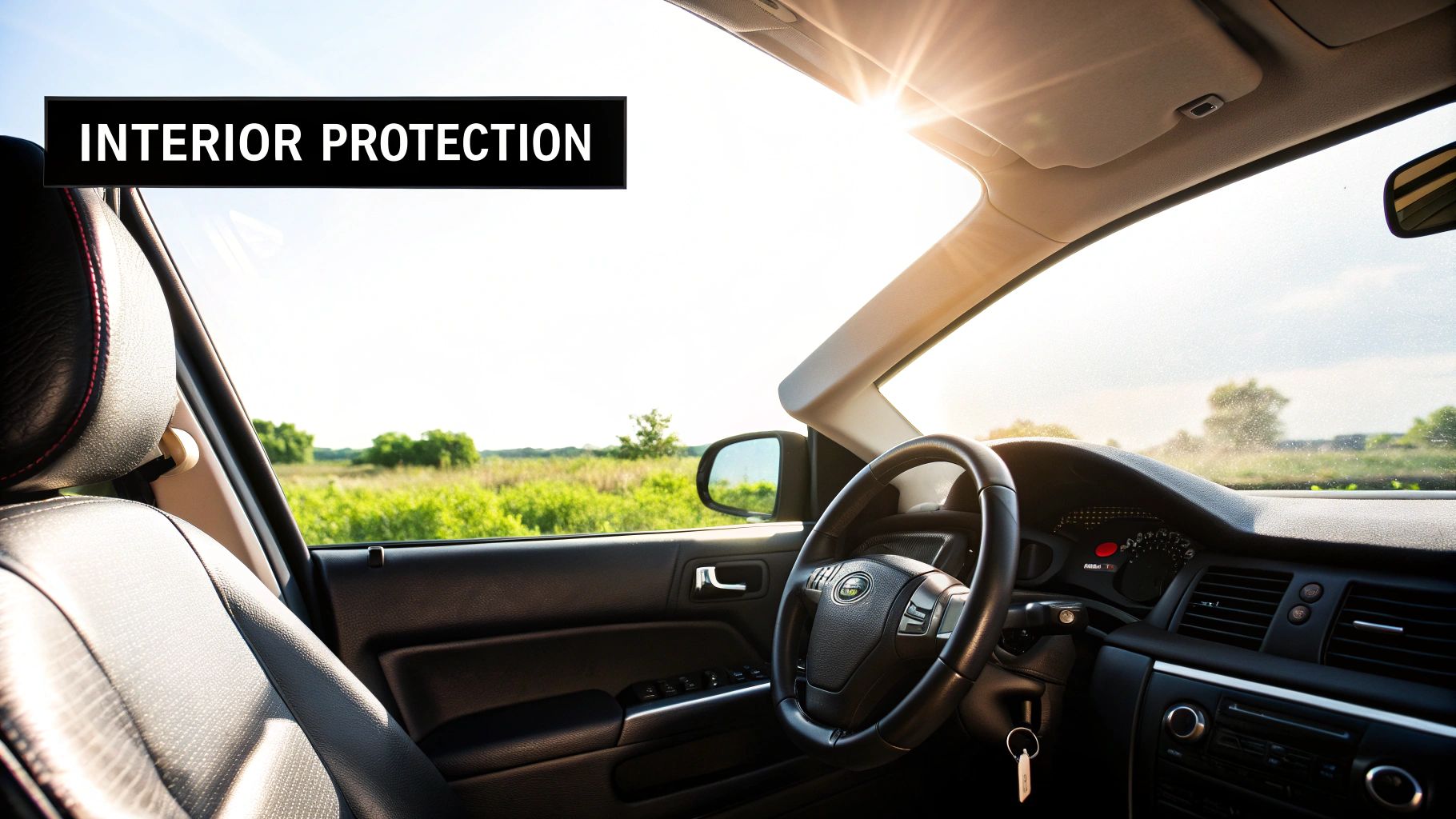
Think about what happens to anything left out in the sun for too long. It fades, cracks, and falls apart. The inside of your car is no different. Day after day, the sun beats down through your windows, slowly cooking and bleaching every surface it touches. This is where window tinting proves its worth—it’s the single best defense for your vehicle's interior.
A high-quality window film acts as a powerful shield against the sun's most destructive rays. It's like applying a permanent, high-SPF sunscreen to your car, protecting the dashboard, seats, and door panels from the constant bombardment that leads to aging and wear.
How Tint Preserves Your Interior
The sun is a triple threat to your car’s cabin. It’s a relentless combination of UV radiation, visible light, and intense solar heat that works together to break down plastics, fade fabrics, and dry out leather until it becomes brittle and cracked. A professionally installed tint tackles all three problems at once.
In a sunny place like the Bay Area, this protection isn't just a luxury; it's practically a necessity. Window tinting blocks up to 99% of harmful UV radiation, the main culprit behind fading and material breakdown. Without it, you're looking at a dashboard that will eventually crack and seats that lose their color. By installing a quality film, like the ones we use at Auto Renu Auto Glass LLC, you’re preserving that fresh-from-the-factory look for years to come.
Good films don't just stop UV rays. They also cut down on visible light (by up to 60%) and drastically reduce heat buildup, which also contribute to the aging process. You can learn more about how window films guard against environmental damage from industry experts.
This isn't just about keeping your car looking nice today. It’s a smart investment that directly protects the long-term value of your vehicle, because a pristine interior is one of the first things a potential buyer notices.
A Smart Investment for Long-Term Value
By stopping sun damage before it starts, you sidestep the expensive headache of repairing or replacing a faded dashboard or cracked leather seats down the road. When it's time to sell or trade in your car, a well-kept interior can make a huge difference.
It’s a simple fact in the auto world: vehicles with interiors that look new fetch higher prices. Here’s a quick rundown of how tinting helps:
Prevents Fading: Your upholstery, carpets, and trim will keep their original, vibrant color.
Stops Cracking: Dashboards and leather are shielded from the heat that causes them to dry out and split.
Maintains Material Integrity: The film slows the chemical breakdown of plastics and vinyl caused by constant UV exposure.
In the end, getting your windows professionally tinted is about more than just comfort on a hot day. It’s a practical, forward-thinking move that pays for itself by safeguarding your investment, ensuring your car looks its best, and boosting its value when you decide it's time for a change.
Drive Cooler and Improve Your Fuel Efficiency
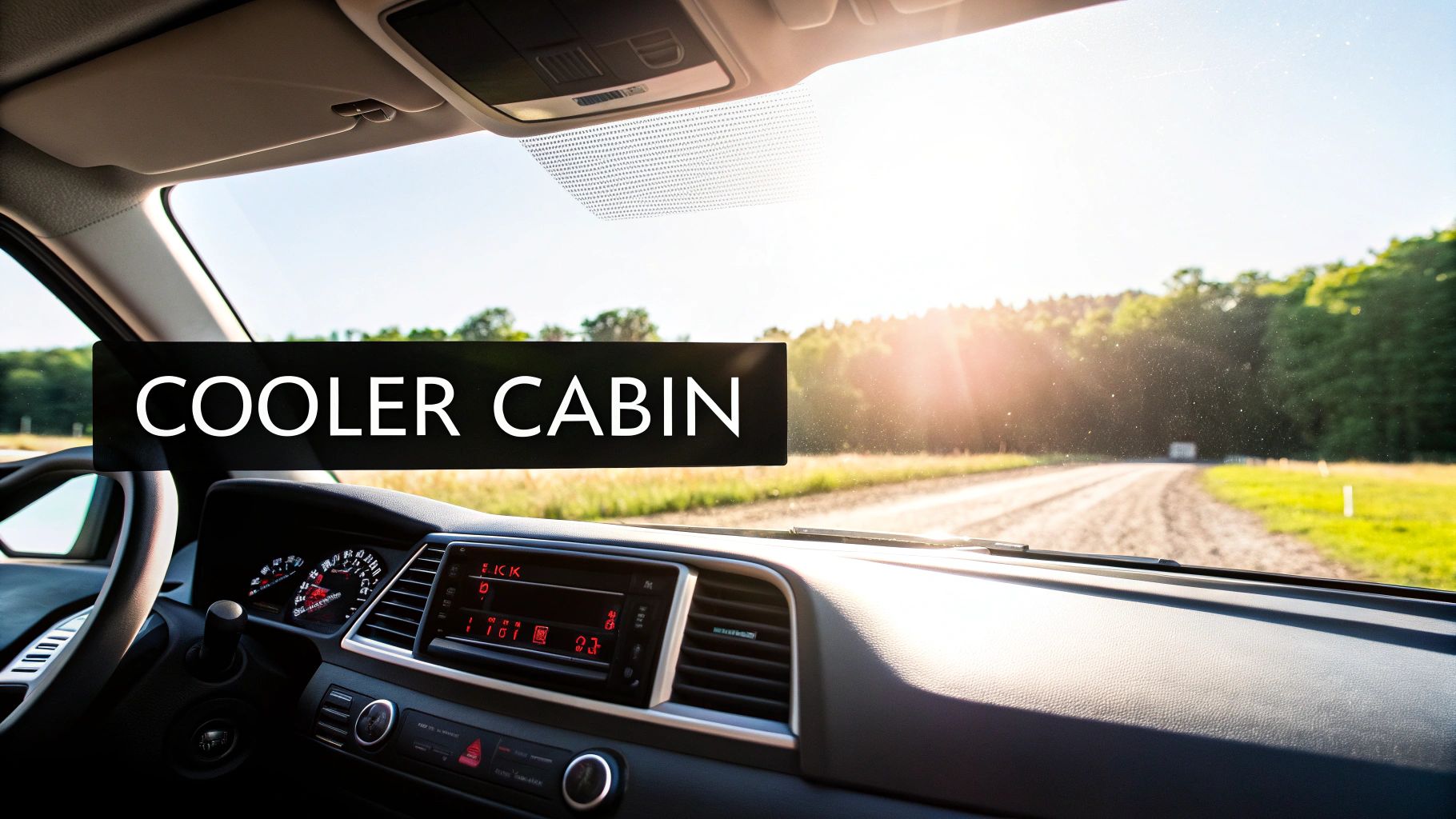
We've all been there. It’s a hot summer day, and your car has been baking in the sun. You open the door, and a wave of superheated air hits you. The steering wheel is scorching, the seats are untouchable, and it feels like stepping into an oven. This isn't just uncomfortable; it forces your air conditioning to work overtime, burning extra fuel just to cool the cabin down.
One of the most immediate and noticeable benefits of window tinting is how dramatically it reduces this interior heat. Modern tinting films aren’t just colored plastic; they are engineered to be a selective barrier against the sun's energy. Specifically, they target the invisible infrared (IR) rays—the ones that are primarily responsible for the heat you feel on your skin.
Think of your car's windows as a gate. Without tint, that gate is wide open, letting all that solar heat flood right in. High-performance films, particularly ceramic and carbon tints, act as a smart gatekeeper. They let visible light pass through so you can see clearly, but they slam the door on a huge portion of that heat-producing infrared radiation. This means your car stays significantly cooler from the moment you get in.
Turning Down the Heat and Saving at the Pump
A cooler cabin is about more than just comfort—it has a direct impact on your wallet. When your car is an oven, the AC compressor has to run at full blast, drawing a ton of power from the engine and burning more fuel. By rejecting that solar heat before it even gets inside, window tint lightens the load on your AC system considerably.
The numbers back this up. Professional car window tinting can slash interior surface temperatures by up to 60%, which makes a massive difference. One key study found that cars with tinted windows saw an average 5% reduction in fuel consumption compared to untinted vehicles, simply because the AC didn't have to work as hard. In hot climates, this effect is even stronger. The U.S. Department of Energy reports that tinting can cut solar heat gain by as much as 79%—a real-world saving you'll feel at the gas pump.
By keeping your car's interior cooler, window tinting can reduce the strain on your air conditioning system, potentially extending its life and reducing the need for expensive AC repair services.
This reduced strain means less wear and tear on crucial AC components like the compressor and fans. The result is a more efficient vehicle, a more comfortable drive, and an upgrade that can truly pay for itself over time.
Enhance Your Privacy and On-Road Safety
Sure, tinting keeps your car cool and protects the interior, but two of the most important benefits are about something far more valuable: your well-being. Window tinting offers a powerful one-two punch of enhanced privacy and better on-road safety, turning a simple upgrade into a smart investment for a more secure, less stressful drive.
First, let's talk about privacy. Tinted windows are a fantastic visual deterrent. They obscure the view into your car, hiding valuables like a laptop, purse, or recent shopping haul from opportunistic thieves. That dark glass means a potential smash-and-grab thief is more likely to just move on, giving you real peace of mind when you have to leave your car parked.
A Clearer View of the Road Ahead
Out on the road, anything that compromises your vision is a serious hazard. We've all been there—blinded by the low sun on the horizon, the intense glare off a wet road, or the high beams of an oncoming truck. That split second of squinting can be the difference between reacting in time and not.
This is where window tint truly shines. It cuts down that dangerous glare dramatically. By filtering the harsh light, tint allows your eyes to relax, which means less fatigue and strain, especially on long trips. It’s like wearing a quality pair of sunglasses, but for your entire car, making for a much safer drive during sunrise, sunset, and even at night.
In an accident, the adhesive on window tint film can be a lifesaver. It actually holds shattered glass together, preventing razor-sharp shards from flying into the cabin and causing serious injury to you or your passengers.
An Invisible Shield for You and Your Passengers
That brings us to a safety feature most people never even consider. The strong adhesive that bonds the film to your windows adds a surprising amount of structural integrity to the glass. If your window gets hit in a collision or by road debris, the film helps hold the glass in one piece.
Instead of shattering into a thousand dangerous projectiles, the glass is contained. This shatter-resistance provides a vital barrier, protecting everyone inside from nasty cuts and injuries. It essentially turns your standard window into something much closer to safety glass. While tinting provides a great visual deterrent, you can also boost your car’s security by exploring other strategies for protecting keyless entry cars from theft.
So, when you think about it, the benefits go way beyond just looking cool:
Deters Theft: Keeps your personal belongings out of sight and out of mind.
Reduces Glare: Gives you a clearer, more comfortable view of the road.
Contains Glass: Holds shattered windows together in an impact.
Ultimately, getting a professional tint from a trusted installer like Auto Renu Auto Glass LLC isn't just about comfort or style—it's a proactive step toward making your vehicle a safer, more secure place to be.
How to Choose the Right Window Tint Film
Picking the right window tint isn't just about choosing a shade of dark. It's a technology decision. The market is full of different film types, and each one is engineered to deliver specific results.
To get the most out of your investment, you need to understand what makes them different. Think of it less like picking a paint color and more like choosing the right tool for the job.
An Introduction to Film Technologies
Modern window films are far more than simple colored sheets of plastic. Each type uses a unique construction to achieve its goals, from basic privacy to high-tech heat rejection. Let's break down the main players you'll encounter.
The table below gives you a quick snapshot of how these films stack up against each other.
Comparison of Car Window Tint Film Types
Understanding the key differences in performance, durability, and cost between popular window tint films.
Film Type | Primary Benefit | Heat Rejection | Clarity & Signal Interference | Cost |
|---|---|---|---|---|
Dyed Film | Privacy & Aesthetics | Low | Good, No Interference | $ |
Metalized Film | Heat Reflection | Medium | Good, Potential Signal Issues | $$ |
Carbon Film | Durability & Heat Rejection | High | Excellent, No Interference | $$$ |
Ceramic Film | Maximum Performance | Highest | Superior, No Interference | $$$$ |
As you can see, what you pay for is the underlying technology. While dyed film is a great entry point for looks, ceramic film is the undisputed champion for comfort and protection. Your budget and priorities will point you to the right choice.
What Do the Numbers on Tint Mean?
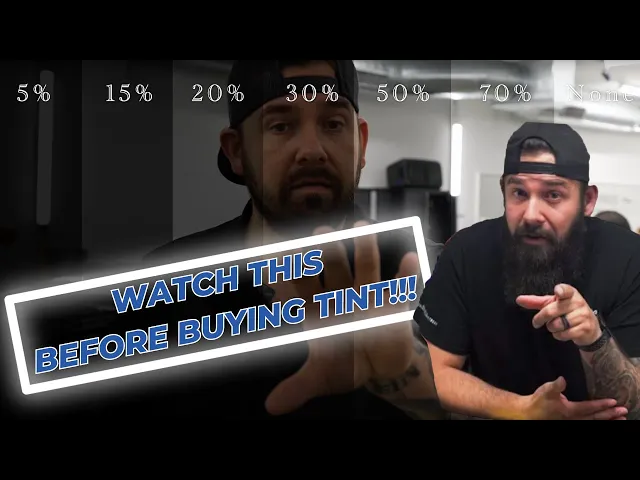
Once you've settled on a film type, the next decision is the darkness. This is measured by its Visible Light Transmission (VLT) percentage.
VLT is simply the amount of visible light the film allows to pass through into your car. The rule is easy to remember: the lower the number, the darker the tint.
For example, a 5% VLT is what most people call "limo tint"—it's extremely dark and offers maximum privacy. On the other end, a 70% VLT is very light, often used on front windows where laws are strict, but still offers significant UV and heat protection.
The right VLT for you balances the look you want, the privacy you need, and—most importantly—what's legally allowed in your area.
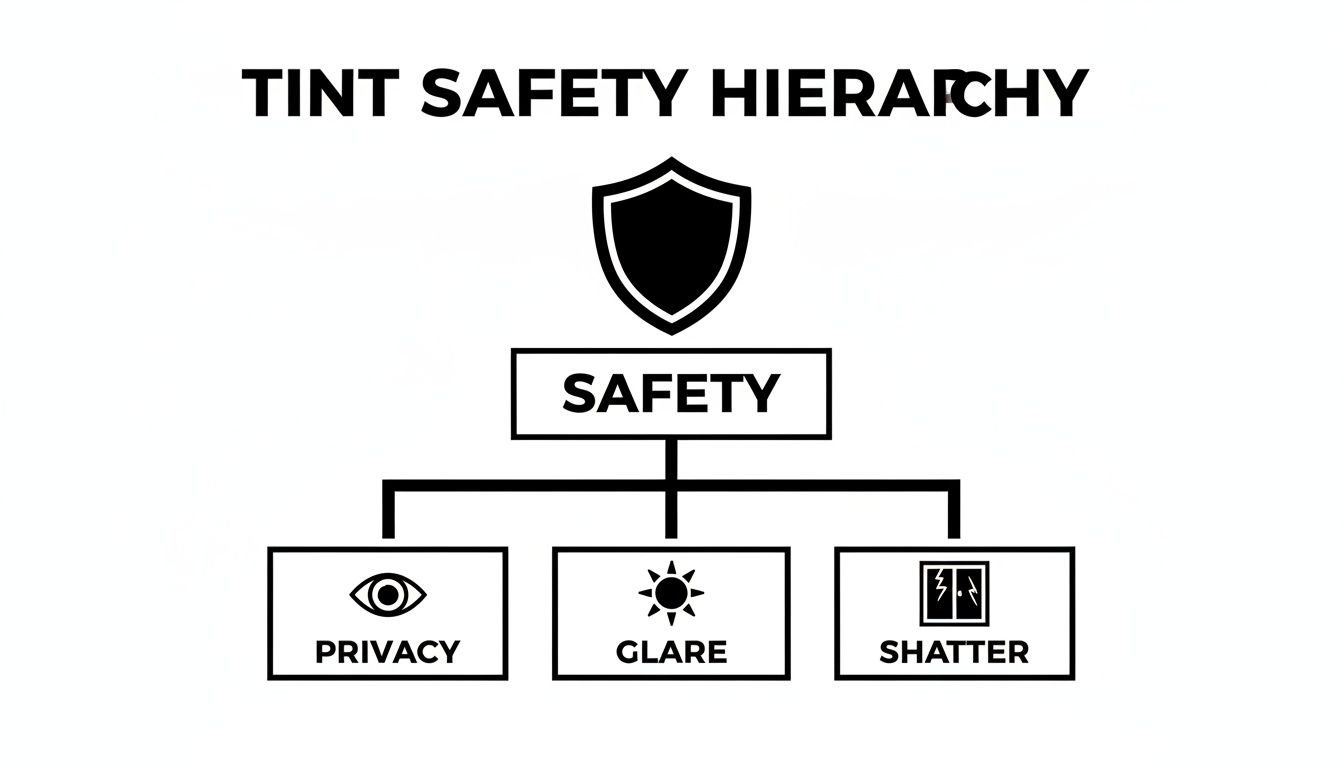
This is about more than just looks. As the diagram shows, the right tint is a key part of your vehicle's overall safety system. It secures your belongings from prying eyes, cuts down on dangerous sun glare, and even helps hold shattered glass together in an accident.
Feeling a bit overwhelmed by the options? That’s perfectly normal. Getting an expert opinion is the best way to land on the perfect film for your car and your needs. If you’re in the Bay Area, the team at Auto Renu Auto Glass LLC can walk you through every option and even come to you for a mobile consultation.
Why Professional Installation Is a Non-Negotiable
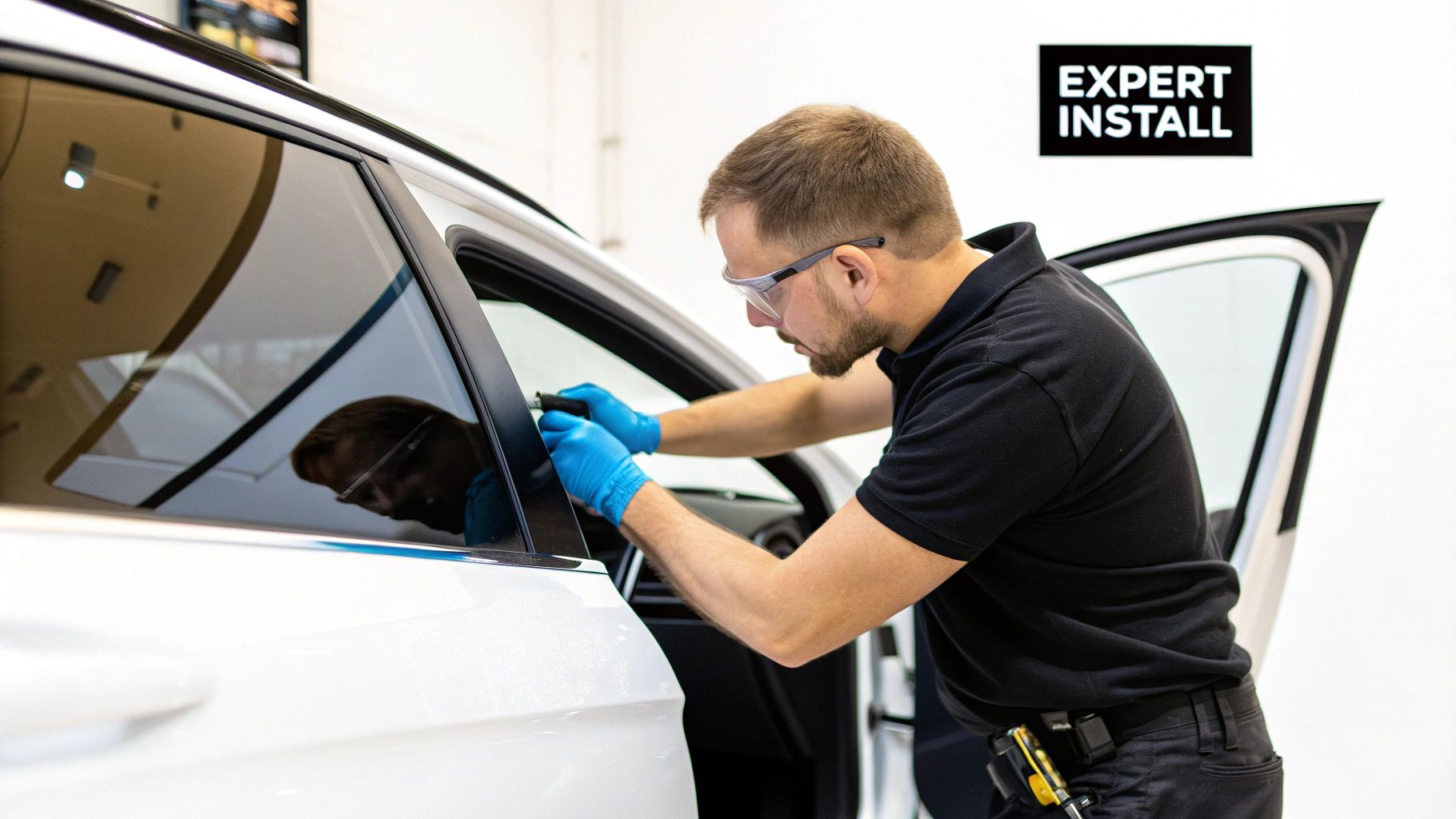
You can find a DIY tint kit at just about any auto parts store, but trust me when I say the gap between a weekend project and a professional finish is a mile wide. To really get all the benefits we've been talking about—the heat rejection, the UV protection, the slick looks—you absolutely need a flawless application. And that’s something only a seasoned pro can pull off.
Trying it yourself often ends in a mess. You’ll see it right away: frustrating bubbles, peeling corners, and tiny specks of dust trapped under the film. These aren’t just cosmetic issues; they ruin the tint’s ability to do its job and set it up for a short, ugly life.
The Professional Difference
In the hands of an expert, window tinting is less of a craft and more of a science. It's so much more than just slapping a sticky film onto a window. The real work is in the meticulous prep, the clean environment, and the skilled techniques that create a perfect, permanent bond between the film and the glass.
Here’s what you’re paying for when you hire a professional:
Pristine Surface Prep: We don’t just wipe the glass down. Technicians use specialized cleaners to strip away every last bit of oil, grime, and static-charged dust to ensure the film adheres perfectly.
Precision Cutting: Whether using a computer-guided plotter or years of hand-cutting experience, a pro cuts the film to the exact curves and edges of your specific windows. No gaps, no overlap—just a seamless fit.
Flawless Application: Using the right tools and a practiced hand, technicians expertly squeegee the film, forcing out every bit of air and water. This is the secret to avoiding those dreaded bubbles and creases.
A Solid Warranty: When a professional installs your tint, it comes with a warranty. This is your guarantee that the work and the material are protected against defects, giving you total peace of mind.
Going with a pro isn't just about sidestepping a DIY disaster. It's about making sure the tint performs exactly as it was engineered to, year after year. This expertise is what guarantees you get maximum performance and longevity from your investment.
This level of precision is even more important with today's vehicles, which are packed with technology. A sloppy installation can interfere with antennas or sensors embedded in the glass. It’s also why you need an expert who understands how tint can interact with other systems, like those that require an ADAS calibration.
When you get down to it, investing in professional installation from a trusted mobile service like Auto Renu Auto Glass LLC is the only way to get it right. It’s how you guarantee your tint looks incredible, works perfectly, and gives you every single benefit you paid for.
Frequently Asked Questions About Window Tinting
Even with all the clear benefits, it's smart to have questions before you decide to tint your car's windows. Making a good investment starts with getting good answers, so let's walk through some of the things people ask us most often.
How Long Will My Window Tint Last?
This is probably the number one question we hear, and the answer comes down to two things: the quality of the film and the skill of the installer.
If you opt for a professional-grade film, like the advanced ceramic or carbon tints we use, you’re looking at a lifespan of 10 years or more. These materials are built to withstand the sun without bubbling, peeling, or fading to that weird purple you see on older cars. Cheaper, off-the-shelf films just can't compete and often start breaking down in only a year or two.
Is Window Tinting Legal?
Absolutely, but every state has its own rules. Here in California, for example, the regulations are very specific. Your front side windows have to let more than 70% of light in. For the back side windows and the rear windshield, you can go as dark as you want.
A seasoned professional will know these laws like the back of their hand, making sure your tint job looks great and is 100% street legal.
Will Tint Mess With My Phone or GPS Signal?
This is a great question and used to be a real problem. Older, dye-based tints often contained metal particles that could wreak havoc on electronic signals, blocking everything from your GPS to your cell phone.
Thankfully, technology has come a long way. Modern, high-performance films—especially ceramic and carbon—are engineered to be completely metal-free. They deliver top-tier UV and heat rejection without interfering with any of your car's electronics or your personal devices.
You get all the comfort and protection without any of the old-school headaches.
Still have a few questions? Or maybe you just want to talk through the best tint options for your car and driving habits. We're here for that. Feel free to get in touch with our experts for a no-pressure consultation.
Ready to feel the difference that professional window tint can make? The skilled mobile technicians at Auto Renu Auto Glass LLC bring the service right to your doorstep, ensuring a perfect finish every single time. Book your mobile tinting service today!