how long does it take to replace windshield: quick timeline
how long does it take to replace windshield: get the full timeline from prep and installation to safe-to-drive wait times.
Nov 10, 2025
generated
how long to replace a windshield, windshield replacement time, auto glass repair, safe drive away time, car maintenance
So, you need a new windshield and you're wondering, how long does it take to replace a windshield? The short answer is you should plan for about 60 to 90 minutes from start to finish. That timeframe covers the hands-on work and the all-important waiting period that makes sure your car is actually safe to drive again.
Your Windshield Replacement Timeline Explained
It helps to know what’s actually happening during your appointment. Replacing a windshield isn't just about popping out old glass and dropping in a new one. It's a careful, multi-step process that's critical to your car's overall safety. I like to think of it in two main parts: the installation itself, and then the curing time.
The Hands-On Installation
The first part, the actual labor, usually takes a skilled technician anywhere from 30 to 60 minutes. This is when they'll carefully remove what's left of your old windshield, meticulously clean the frame of any old adhesive and debris, and then professionally set the new glass.
The Curing and Safe Drive-Away Time
The second part is just as critical: letting the adhesive cure. This is what we in the industry call the "safe drive-away time," and it typically adds another 30 to 60 minutes. We use a powerful adhesive called urethane to create a permanent, waterproof seal, and it needs a little time to set up properly.
A lot of people think the job is done the second the new glass is in. But that waiting period is when the magic really happens—it’s when the windshield becomes a structural part of your car again, supporting the roof and ensuring your airbags deploy correctly in a crash.
Now, these times aren't set in stone. Industry-wide, you'll see replacement times quoted anywhere from 30 minutes to a full 2 hours. This can depend on the complexity of the vehicle—some cars with advanced sensors take longer—and the specific type of adhesive being used. In places with tough safety regulations, technicians often use high-tech, fast-curing adhesives to get you back on the road safely and quickly. If you're curious about the bigger picture, you can read up on these automotive glass market trends on archivemarketresearch.com.
For a quick overview, here’s how the timing generally breaks down:
Windshield Replacement Time Breakdown
Stage | Average Time |
|---|---|
Old Windshield Removal | 15-20 minutes |
Frame Cleaning & Prep | 10-15 minutes |
New Windshield Installation | 5-10 minutes |
Adhesive Curing (Safe Drive-Away Time) | 30-60 minutes |
Total Appointment Time | 60-90 minutes |
As you can see, the hands-on work is only about half the story. The curing time is non-negotiable for ensuring a safe and lasting installation.
A Look Inside the Replacement Process
Ever wonder what a technician is actually doing when they replace your windshield? It’s not just a simple swap of glass. It's a precise, multi-step process where every detail matters for a safe and secure fit. Think of it less like changing a tire and more like minor surgery for your car.
First things first, a good technician will prep your vehicle. They'll carefully cover your dashboard, seats, and the paint around the windshield. This is all about protecting your car from any stray adhesive or potential scratches during the job.
With everything protected, it's time to remove the old, damaged windshield. Using specialized tools, the technician slices through the tough urethane seal holding the glass to your car's frame. Then, they'll carefully lift the old glass out, making sure not to damage the frame itself.
Preparing the Foundation for a Perfect Seal
Once the old glass is out, the most critical part of the job begins: preparing the pinch weld. That’s the industry term for the vehicle's frame where the windshield sits. This surface has to be perfectly clean for the new adhesive to create a permanent, watertight bond.
Any old urethane is meticulously scraped off, and the area is cleaned of any dirt or grime.
This cleaning stage is non-negotiable. A dirty or improperly prepped frame is the number one reason for seal failures, which lead to frustrating leaks and wind noise. A clean surface is the only way to ensure the new adhesive gets a solid grip, making the windshield a structural part of your car again.
After the frame is spotless, a special primer is applied to help the adhesive bond securely. Then, a fresh bead of high-strength urethane adhesive is laid down around the entire frame. This isn't your average glue; it’s a powerful structural adhesive designed to hold under extreme pressure.
This infographic gives you a great visual breakdown of the entire timeline, from the moment the work starts to when you can safely drive again.
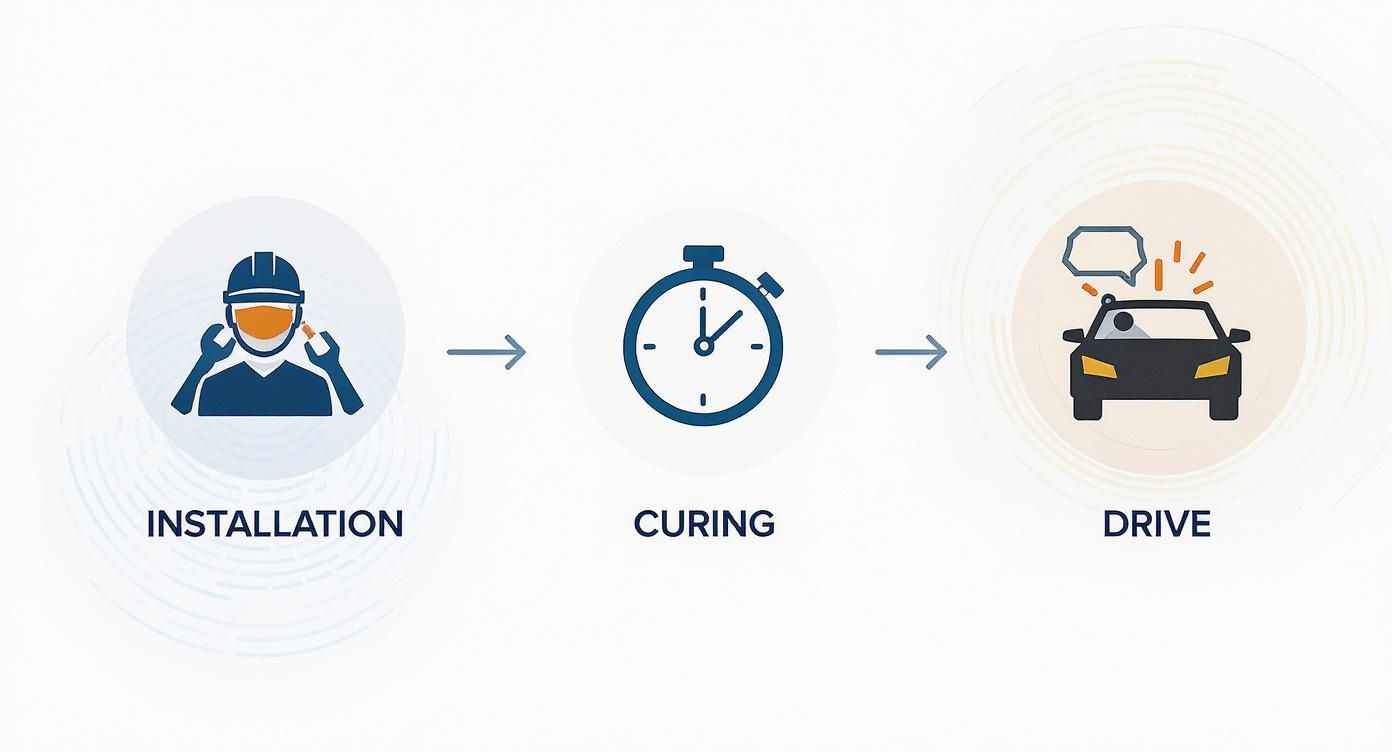
As you can see, the hands-on work is just the beginning. The adhesive curing time is just as vital for your safety.
Finally, the new windshield is carefully guided into place with large suction cups for perfect alignment. Once it's set, the technician will reinstall your rearview mirror, windshield wipers, and any other trim pieces that were removed. To get a deeper dive into this service, check out our comprehensive guide on windshield replacement.
Why You Can't Rush the Curing Time
After the technician meticulously sets your new windshield in place, the most crucial part of the job begins: waiting. This isn't just a suggestion; it's a non-negotiable safety step.
We call this the safe drive-away time, and it’s all about letting the powerful urethane adhesive do its job. Think of it like pouring a concrete foundation for a house. You wouldn't start framing the walls the moment the cement is wet, and you definitely shouldn't drive off before this chemical bond has fully hardened.
This specialized adhesive does a lot more than just seal out wind and rain. It fuses the glass to your car’s frame, making the windshield a key structural part of your vehicle. This bond is absolutely critical for a couple of life-or-death reasons:
Airbag Deployment: In a collision, the passenger-side airbag is designed to inflate and press against the windshield to cushion the occupant. If that adhesive seal isn't solid, the explosive force of the airbag can literally pop the windshield right out of its frame, rendering the airbag useless.
Roof Strength: During a rollover accident, your windshield provides up to 60% of the structural support that keeps the roof from caving in.
Driving away too soon compromises both of these vital safety systems. It’s a risk no one should ever take.
How the Adhesive Actually Works
The urethane cures by reacting with moisture in the atmosphere. This chemical process is heavily influenced by the day's temperature and humidity levels, which is why your technician provides a specific drive-away time based on the current conditions. If you hit the road before the urethane is ready, the bond is still soft and weak.
A proper cure is what transforms a simple pane of glass into a structural safety component. Driving off prematurely essentially undoes all the expert work that just went into the installation.
The good news is that adhesive technology has come a long way. Years ago, a windshield replacement might have kept your car sidelined for the better part of a day. Now, with advanced fast-curing urethanes, the wait is much shorter—often bringing the entire replacement and curing time to under two hours. You can dig deeper into how these innovations have changed the industry in this windshield service market overview on openpr.com.
The main thing to remember is this: even though the wait is shorter than it used to be, it's just as important as ever.
Factors That Can Affect Your Replacement Time
While most windshield replacements wrap up in 60 to 90 minutes, think of that as a best-case scenario. Several things can pop up and add extra time to the job. It’s a lot like a simple home repair project—what starts as a quick fix can easily get more complicated once you see what’s going on behind the scenes.
One of the biggest time-adders in modern cars is the technology attached directly to the glass.
Advanced Driver-Assistance Systems (ADAS)
If your car has features like lane-keeping assist or automatic braking, it has Advanced Driver-Assistance Systems (ADAS). The cameras and sensors for these systems are mounted on your windshield, so when you get new glass, they have to be recalibrated.
This isn't just a suggestion; it's a critical safety step. A misaligned camera won't read the road correctly, which means the safety features designed to protect you might fail when you need them most.
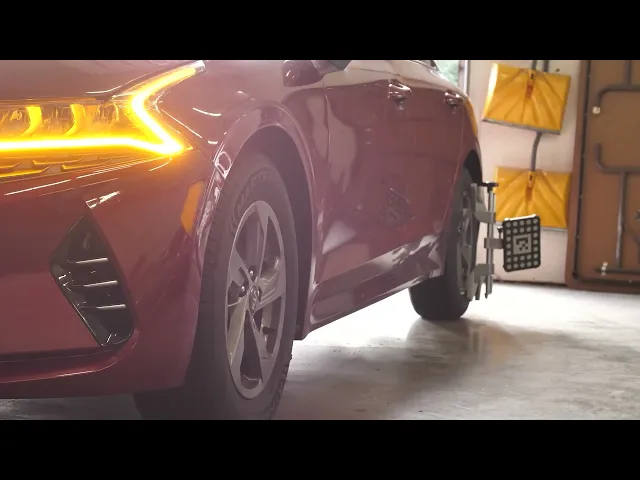
This recalibration process is precise work and can add another 30 to 90 minutes to the appointment. Depending on your car, it might need a "static" calibration in the shop or a "dynamic" one that requires a test drive. To really dig into this, check out our guide on the importance of ADAS windshield calibration.
Your Vehicle’s Specifics
The make and model of your car matter, too. A straightforward windshield on a common sedan is usually a quick job. But a luxury vehicle with features like rain sensors, heating elements for the wipers, or a heads-up display involves more complex work. Each of those components needs to be carefully removed and reinstalled, which takes extra time and care.
Weather and Shop Conditions
Believe it or not, the weather plays a big part. The special glue, a urethane adhesive, that holds your windshield in place cures by pulling moisture from the air.
Temperature & Humidity: The adhesive sets best in warm, dry weather. If the temperature drops below 40°F, or if it's very humid, the curing process slows down, meaning you’ll have to wait longer before it's safe to drive.
Mobile vs. In-Shop: A mobile technician comes right to you, which is super convenient. However, an in-shop replacement happens in a climate-controlled bay, eliminating any weather-related delays and guaranteeing a perfect cure every time.
A final wild card is the condition of the metal frame where the windshield sits, called the pinch weld. If the technician finds rust or a lot of old, stubborn adhesive after removing the old glass, that has to be treated and cleaned up first. It’s an extra step, but it’s essential for creating a strong, leak-proof seal.
While a standard job is pretty quick, these variables can easily add up. Here’s a quick look at how they impact the timeline.
Factors Impacting Windshield Replacement Duration
Factor | Potential Impact on Time | Example |
|---|---|---|
ADAS Recalibration | Adds 30-90 minutes | A car with lane-keeping assist needs a road test to confirm the camera is aligned. |
Vehicle Complexity | Adds 15-45 minutes | A luxury SUV with rain sensors and a heads-up display requires more delicate work. |
Poor Weather | Adds 30+ minutes to cure time | Temperatures below 40°F can dramatically slow the adhesive bonding process. |
Pinch Weld Rust | Adds 15-30 minutes | The technician must stop to remove rust and apply a primer before installing new glass. |
As you can see, what seems like a simple swap can have a few layers to it. A good technician will be able to give you a more accurate time estimate after looking at your specific vehicle.
Post-Replacement Care for a Lasting Bond
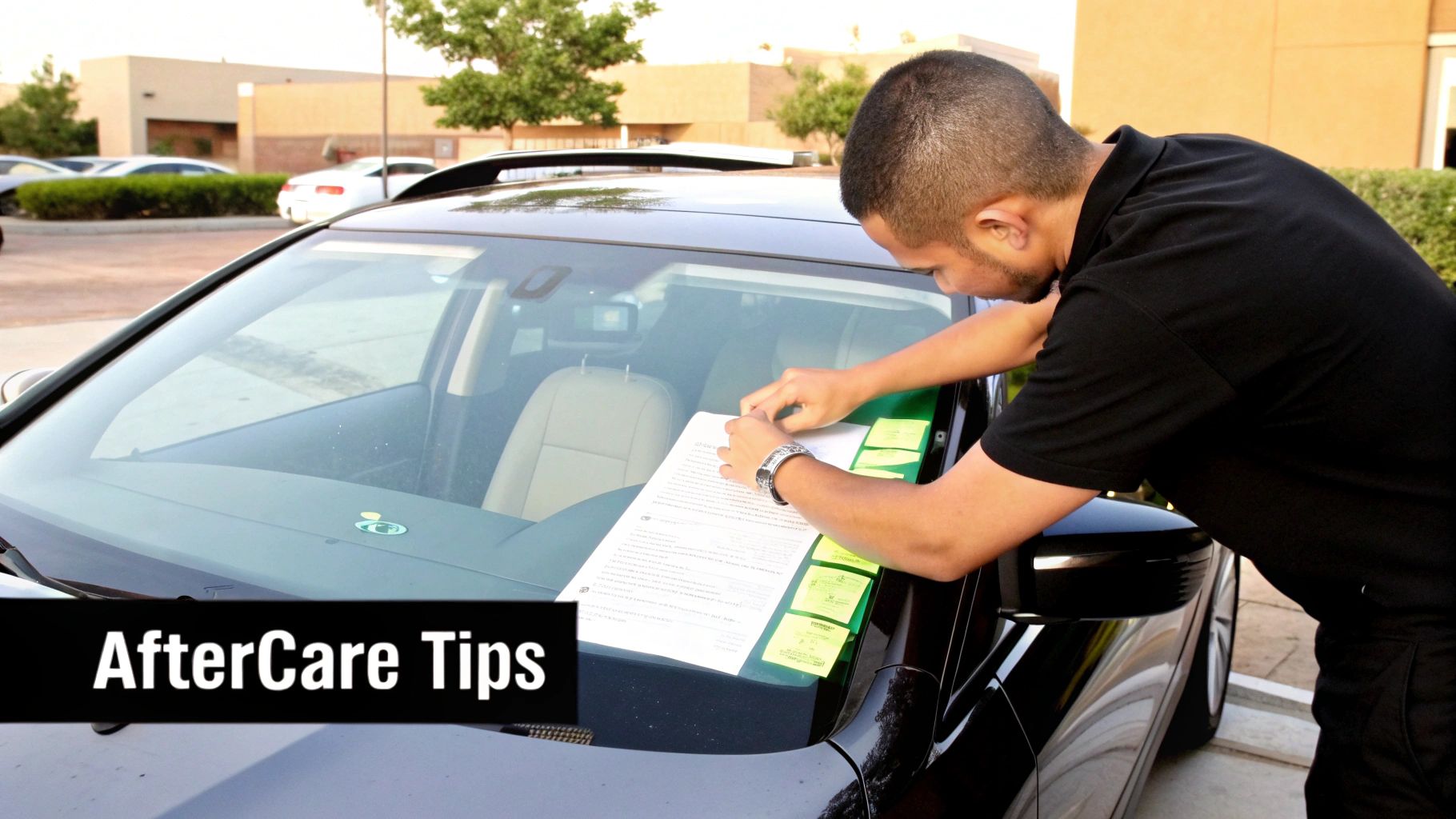
Once your technician drives away, the final and most critical phase of the replacement is up to you. The work isn't truly done until the adhesive has fully cured, and protecting that fresh seal for the first 24-48 hours is absolutely essential for a safe, permanent bond.
Think of it like fresh concrete—you wouldn't walk on it right after it's poured. The same principle applies here.
One of the biggest mistakes people make is slamming a car door. That sudden jolt of air pressure inside the car can push outward on the glass, potentially creating a weak spot in the still-soft seal. For the first day, make a conscious effort to close your doors gently.
It's also a great idea to leave a window cracked open about an inch on a hot day. This little trick equalizes the air pressure as the inside of your car heats up, preventing that expanding hot air from pushing on the new seal.
Your Post-Replacement Checklist
Following a few simple guidelines for the first day or two will make all the difference, ensuring your new windshield is as strong and safe as it was designed to be.
No High-Pressure Car Washes: Those powerful water jets are the enemy of a fresh windshield seal. Hold off on any automatic car washes for at least 48 hours to give the adhesive plenty of time to set.
Leave the Tape On: If your installer used retention tape to hold the moldings in place, resist the urge to peel it off. It’s there for a reason! Leave it on for at least 24 hours to ensure everything sets perfectly.
Take It Easy on the Road: For the first day, try to avoid bumpy roads, potholes, and hard braking. Sharp jolts and vibrations can stress the curing urethane and interfere with the bonding process.
Taking these small precautions is your insurance policy for a successful replacement. It guarantees the windshield can do its job as a key safety feature, protecting you and maintaining your car's structural integrity for years to come.
Got Questions? We've Got Answers
Even with a clear idea of the process, you probably still have a few practical questions. Let's walk through some of the most common things people ask, so you know exactly what to expect when it's your turn.
One of the biggest questions we get is, "Can I really drive my car just an hour later?" For the most part, yes you can, but you absolutely have to follow the technician's specific instructions. The official safe drive-away time all comes down to the type of adhesive used and the weather conditions at the time of installation.
Thankfully, modern fast-curing adhesives often get you back on the road safely in as little as 30 to 60 minutes. Just remember to take it easy for the first few hours—maybe skip the highway and avoid bumpy roads to let that new seal fully settle.
Weather, Location, and Other Details
What if it's raining or cold? Bad weather is a big deal, especially for mobile appointments. Heavy rain or even high humidity can mess with the adhesive's ability to form a permanent, watertight bond. Likewise, temperatures below 40°F can make the curing process drag on forever. Your technician will always check the conditions first and might suggest rescheduling to make sure the job is done right and safely.
Is mobile service faster than going to a shop? The actual hands-on work takes the same amount of time, no matter where it's done. The real win with mobile service is the convenience—we come to you, saving you a trip and the time spent in a waiting room. The critical curing time for the adhesive doesn't change, and you'll get the same safety rundown before the technician leaves.
The core timeline for the replacement and curing process is the same whether we're at your home or you're at a shop. The two things that really matter are the adhesive used and the day's weather, not the location.
Does a tiny chip really need to be fixed? It might look harmless, but that small chip is a weak spot just waiting to spread into a giant crack, often when you least expect it. Fixing small damage early on is always the smarter and cheaper option. To see if your windshield is a candidate for a fix instead of a full replacement, check out our guide on windshield repair services.
Whether you need a quick repair or a full replacement with ADAS recalibration, Auto Renu Auto Glass LLC brings expert mobile service right to your doorstep. Request your free, no-obligation estimate today!